
Affect as Method
ByNatalia Stipo on
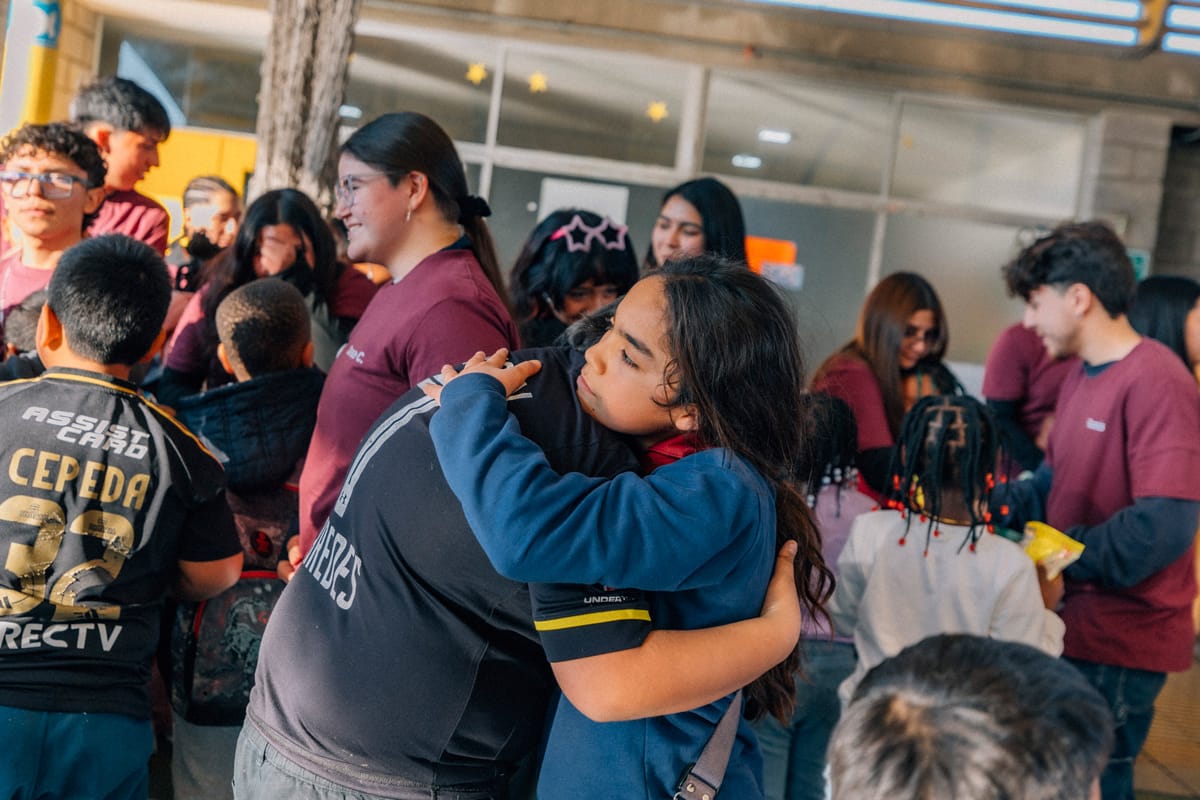
We were taught that the more distance we put between ourselves and what we feel, the better our decisions will be. Through neutral diagnostics, objective timelines, the rationality of detachment, and the assumption that abstracting ourselves from affect and emotion is the prerequisite for sound decision-making, of any kind, we presume we will arrive at the optimal choice. Yet like it or not, no human decision occurs in the sterile vacuum of pure reason.
When it comes to social projects, evidence has shown that participation, affect, and a sense of belonging are essential to sustain them. In response, we have made methodological adjustments without ever truly departing from our initial premise: that success is guaranteed by a supposedly cold rationality. That is, people are convened, consulted, and polled, even when the decision has already been made. What unfolds is top-down management masked as participation, designed merely to tick boxes backed by evidence. Along the way, we prioritize speed and overlook effectiveness. We pursue leaner, more expedited processes, only to sacrifice the very thing that made them work.
Top-down leadership is a distinct way of managing affect-one that unevenly distributes risk among the parties involved. In horizontal management, by contrast, all parties are exposed, and anyone can alter the course. In this model, allowing oneself to be affected is a reciprocal movement. It means accepting from the outset that you, too, will be transformed by the encounter; that the plan you arrive with is not the plan you leave with; and that the gap between the two is not a planning failure, but proof that the process was real. Horizontality, or circularity, in cultural leadership is neither an ethical indulgence by the leader nor a gesture of goodwill. It is a structural condition that underpins genuine connection and project sustainability. And like any structural condition, it must be deliberately designed and defended against the perpetual temptation to simplify or automate it.
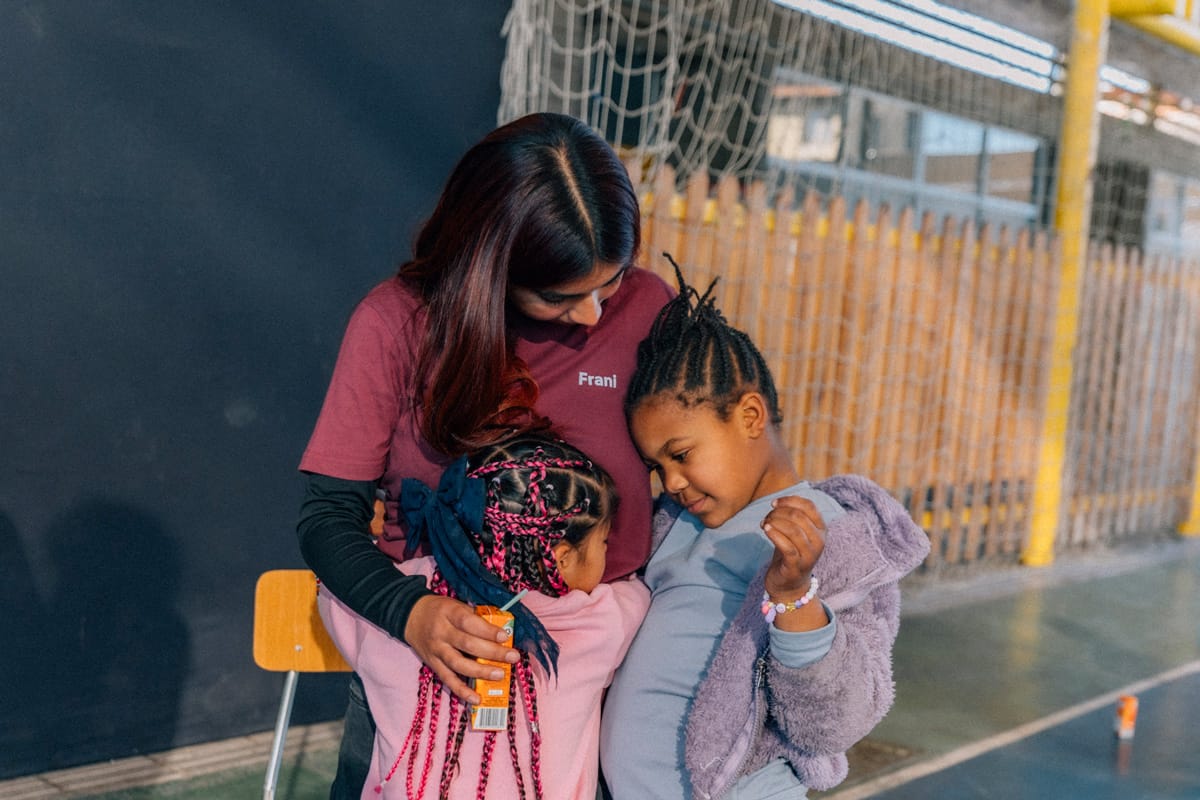
En un contexto de automatización acelerada, resulta tentador eximirse de la responsabilidad de decidir, delegar el juicio a un sistema y llamar eficiencia, o incluso "innovación", a lo que, en el fondo, es saltarse el proceso. Una IA puede ajustarse con cada interacción, aprender de lo que recibe, cambiar su respuesta la próxima vez. Pero la afectación de la que hablamos aquí ocurre en el cuerpo y en el ánimo, deja una marca emocional en quien la atraviesa. Exige responder ante otro, asumir las consecuencias de las acciones conjuntas y quedar expuesto a los costos de los compromisos que asumimos. Ningún sistema automatizado resuelve este límite, ni debería hacerlo.
En nuestro caso, la experiencia nos ha demostrado cómo funciona lo anterior en todo orden y escala.
In an era of accelerated automation, it is tempting to relinquish the burden of decision-making, outsource judgment to a system, and label as "efficiency", or even "innovation", what is fundamentally an evasion of the process. An AI can adjust with every interaction, learn from inputs, and modify its output next time around. But the affect we are discussing here takes root in the body and in the spirit; it leaves an emotional imprint on those who live through it. It demands accountability to another person, bearing the consequences of shared actions, and remaining exposed to the costs of our commitments. No automated system resolves this threshold-nor should it.
In our experience, practice has demonstrated how this dynamic operates across every scope and scale.
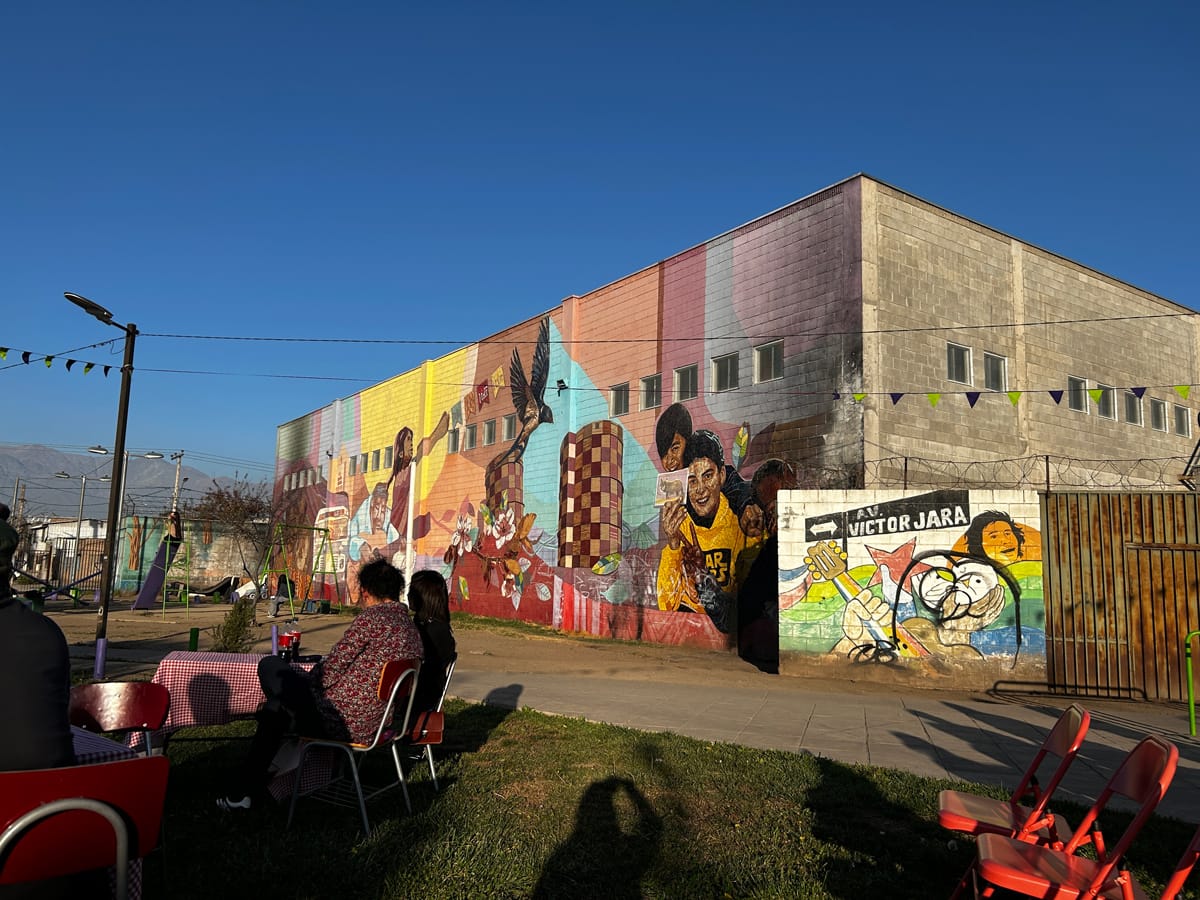
La Colaboradora, a local cultural organizing initiative we are concluding after a year of sustained work with the Los Nogales community in Estación Central, was conceived from day one with the goal that Trama would not drive the neighborhood’s cultural development, but rather that the community itself would take the lead once external support stepped back. This is achieved by designing mechanisms capable of reshaping and redirecting the original blueprint, fostering a form of participation grounded in joint reflection and real decision-making power, rather than the mere opportunity to voice an opinion or select from a preordained menu of options. This is the difference between horizontality as an active practice and horizontality as mere rhetoric.
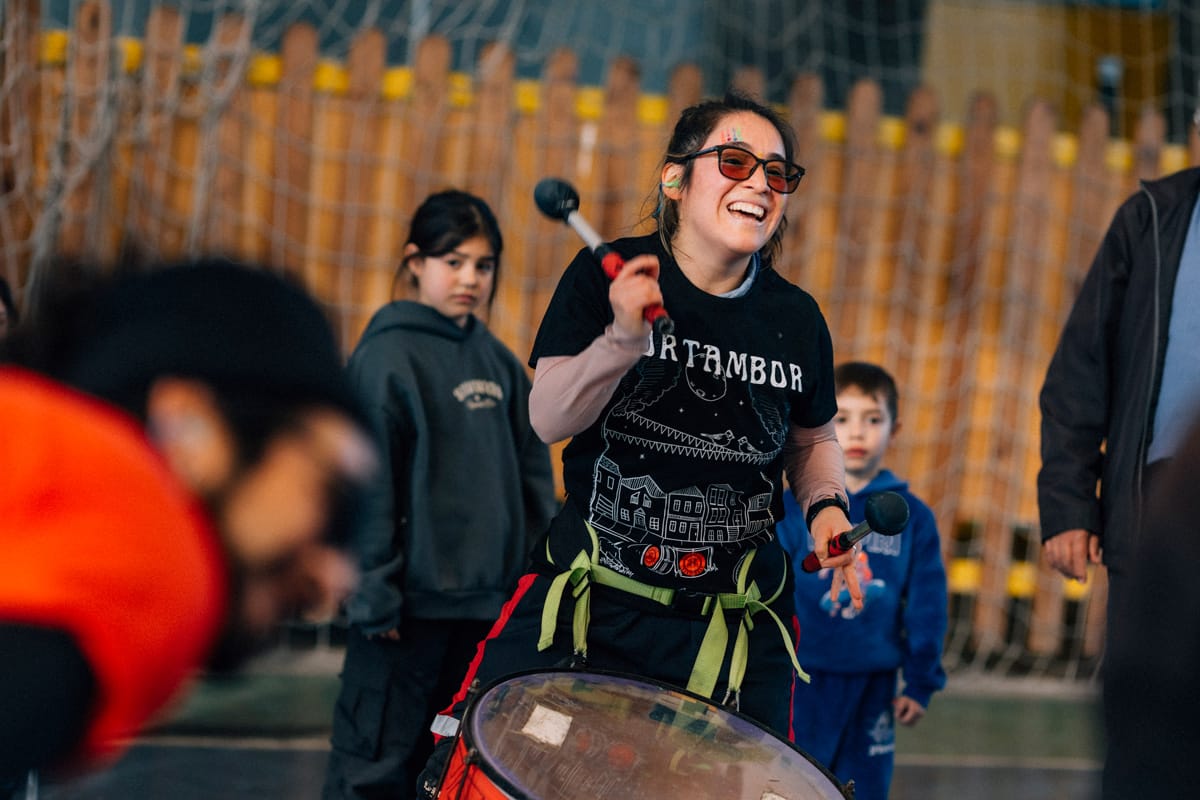
Years of Culture confirms this exact premise from the opposite end of the spectrum. Developing a bilateral program between Chile and Qatar, two nations sharing neither language, nor common institutional traditions, nor an identical understanding of what culture is, what it is worth, or how it is stewarded, leaves no room for the shortcut of literally transposing what works in one country onto the other. Every meeting, every protocol, every joint decision surfaces cultural divergences (in tempos, hierarchies, and ways of naming the same reality) that can only be resolved by committing to inhabit them: letting the program continually rewrite itself and allowing sustained friction over time to illuminate the path forward.
These two extremes yield the same lesson. It is the very same mechanism of mutual affect at work wherever people or institutions make decisions together. That recurrence, tangible, grounded in real process, is far more compelling to us than any isolated theoretical argument.
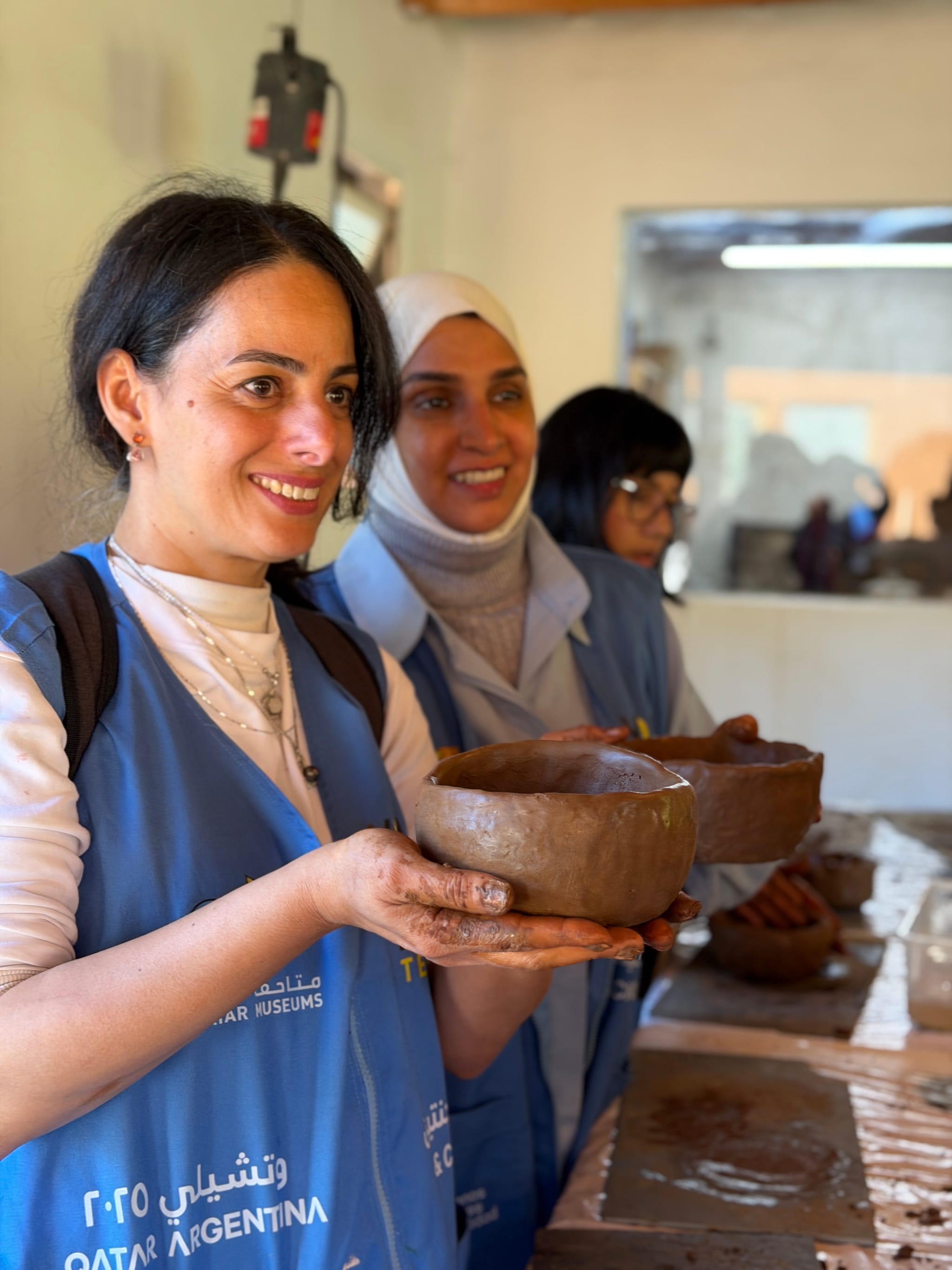
Years of Culture Qatar–Chile
The question, then, is whether we will continue treating people as variables in a model, only to realize in the end, when the process unravels and the fallout overwhelms us, that the issue was never technical, or whether we will finally accept that no human, institutional, governmental, or community decision happens, or ever should happen, detached from how those making it feel, and begin designing from there.